
Why Do My Nuts Taste Bitter? The Sprouting Solution
Have you ever bitten into a handful of nuts only to be met with an unpleasant, bitter taste? You’re not alone. That bitter flavor isn’t just disappointing—it’s actually your body’s way of telling you something important about what you’re eating.

The Real Reason Your Nuts Taste Bitter
That bitter taste you’re experiencing isn’t a sign of spoiled nuts. It’s actually coming from natural compounds called enzyme inhibitors and phytic acid that raw nuts contain as part of their natural defense system.
Think about it from nature’s perspective: nuts are seeds designed to become trees. They’re packed with protective compounds that prevent them from sprouting until conditions are just right. These same compounds that protect the nut can create that harsh, bitter flavor and may even interfere with your body’s ability to absorb the nut’s nutrients.
What Causes the Bitter Taste?
Raw nuts contain several compounds that contribute to bitterness:
Enzyme Inhibitors: These prevent the nut from germinating prematurely, but they can also inhibit your digestive enzymes, making nuts harder to digest and creating that bitter aftertaste.
Phytic Acid: Often called an “anti-nutrient,” phytic acid can bind to minerals like iron, zinc, and calcium, potentially reducing their absorption while contributing to the bitter flavor.
Tannins: These naturally occurring compounds (also found in wine and tea) create astringency and bitterness as a defense mechanism.
How Sprouting Transforms the Taste
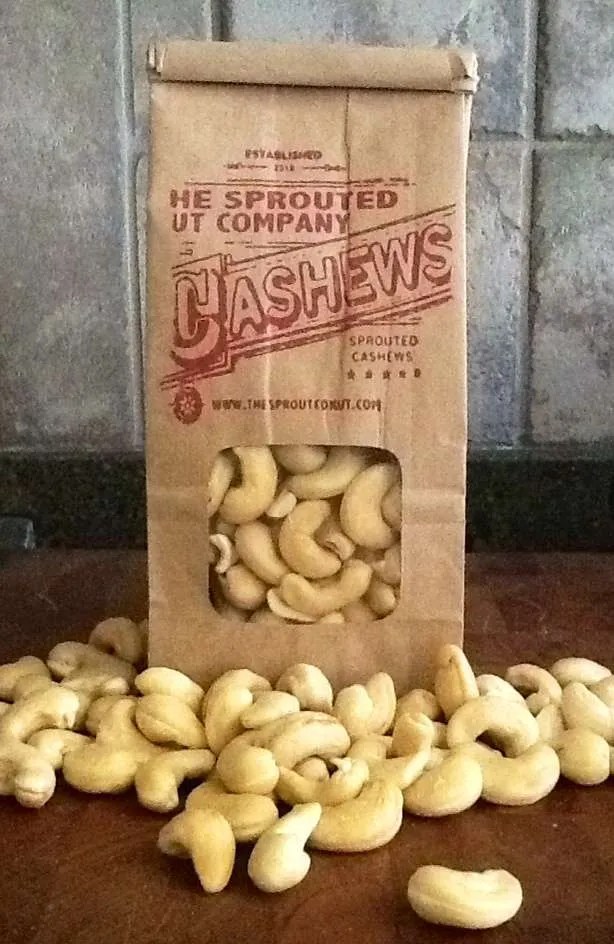
When nuts are sprouted, something remarkable happens. The sprouting process signals to the nut that it’s time to grow, which triggers natural enzymes to break down those bitter, protective compounds.
During sprouting, the nut begins to neutralize enzyme inhibitors and reduce phytic acid levels. This process not only makes the nuts easier to digest but also significantly reduces that bitter taste that many people find off-putting.
The Science Behind the Transformation
The sprouting process typically takes 8-12 hours of soaking, followed by careful drying. During this time:
-
- Enzyme inhibitors are naturally deactivated
-
- Phytic acid levels decrease by up to 50%
-
- The nut’s natural enzymes activate, beginning the germination process
-
- Protein becomes more bioavailable
-
- The overall flavor profile becomes milder and naturally sweeter
Before vs. After: The Taste Difference
Raw Nuts: Often bitter, astringent, can leave an unpleasant aftertaste, may cause digestive discomfort for some people.
Sprouted Nuts: Naturally sweeter, cleaner taste, easier to digest, more pleasant eating experience overall.
Many people who thought they simply “didn’t like nuts” discover they actually love them once they try sprouted versions. The sprouting process reveals the nut’s true, natural flavor without the harsh protective compounds masking it.

Why This Matters for Your Health
Beyond taste, the sprouting process offers several health benefits:
Better Nutrient Absorption: With reduced phytic acid and deactivated enzyme inhibitors, your body can better absorb the vitamins, minerals, and healthy fats that nuts provide.
Improved Digestibility: Many people who experience bloating or discomfort after eating raw nuts find sprouted nuts much easier on their digestive system.
Enhanced Protein Quality: The sprouting process begins to break down proteins into more easily absorbed amino acids.
Not All “Sprouted” Nuts Are Created Equal
If you’re ready to experience the difference sprouted nuts can make, it’s important to choose truly sprouted varieties. Some commercially available nuts are simply soaked and dried, which doesn’t achieve the same results as proper sprouting.
Look for nuts that have been soaked for the appropriate time (usually 8-12 hours), then carefully dehydrated at low temperatures to preserve nutrients while achieving that improved taste and digestibility.
Making the Switch
If you’ve been avoiding nuts because of their bitter taste, or if you’ve noticed digestive issues after eating them, sprouted nuts might be the solution you’ve been looking for. The transformation in taste is often dramatic enough that people are surprised they’re eating the same type of nut.

The next time you reach for a handful of nuts, consider choosing sprouted varieties. Your taste buds—and your digestive system—will thank you for making the switch from bitter to better.
Learn more in our Sprouted Vs. Raw Nuts Comparison Guide.

Ready to experience the difference for yourself? Discover our selection of truly sprouted nuts that have been carefully processed to eliminate bitterness while maximizing nutrition and flavor.
Previous Post: What are Sprouted Nuts? Health Benefits & How They’re Made