Are Walnuts Good for Your Heart? What the Research Actually Says

Are Walnuts Good for Your Heart? What the Research Actually Says

If you’ve ever heard that walnuts are good for your heart, you weren’t being sold a wellness myth. The research on walnuts and cardiovascular health is some of the most consistent in nutrition science, spanning decades, multiple clinical trials, and reviews from institutions like Harvard and the American Heart Association. Here’s what’s actually going on, and why it matters for how you snack.

Why Heart Health Matters More Than Ever

Cardiovascular disease is the leading cause of death worldwide. In recent years, the potential role of dietary interventions in preventing and managing cardiovascular disease has gained significant attention. Walnuts have emerged as one of the most studied foods in that conversation. The evidence isn’t just promising. At this point, it’s substantial.

Walnuts and Cholesterol: The Numbers

The most well-documented benefit of walnuts is their effect on LDL cholesterol, the kind associated with plaque buildup in the arteries.

A comprehensive meta-analysis reviewed 26 randomized controlled trials covering 1,059 participants and found that walnut-enriched diets produced a 3.25% greater reduction in total cholesterol and a 3.73% greater reduction in LDL cholesterol compared to control diets. [1] Triglycerides dropped too. Walnut-enriched diets produced a 5.52% greater reduction in triglycerides compared to control diets. And crucially, incorporating walnuts into the diet improved blood lipid profile without adversely affecting body weight.

The WAHA study, the largest and longest walnut trial ever conducted, running two years across sites in Spain and California, went even deeper. Rather than just measuring LDL levels, researchers looked at LDL particle size, which is increasingly recognized as a better predictor of heart risk than standard cholesterol numbers. Healthy older adults who ate about half a cup of walnuts daily for two years reduced the number of total LDL particles by 4.3% and small LDL particles by 6.1% — the small, dense particles most strongly linked to atherosclerosis. [2]

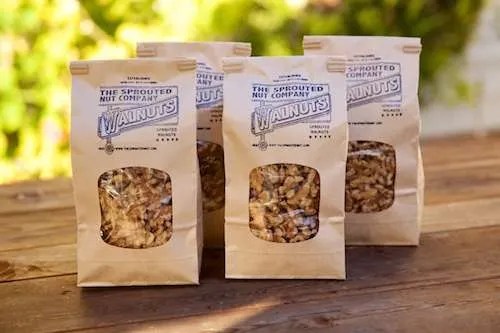
All Natural Sprouted Walnuts 1lb

How Walnuts Actually Work

The cholesterol improvements aren’t random. They come down to what walnuts are made of.

The health-promoting benefits of walnut consumption are substantially tied to their fatty acid profile, which is rich in polyunsaturated fatty acids with an exceptionally high omega-3 to omega-6 ratio. Walnuts are the only tree nut with a significant amount of ALA (alpha-linolenic acid), the plant-based form of omega-3.

Beyond fatty acids, walnut bioactive ingredients, including omega-3 fatty acids, antioxidants, fiber, and polyphenols, have been shown to improve lipid profiles, blood pressure, endothelial function, inflammation, oxidative stress, and thrombosis. [3]

One particularly important mechanism is what walnuts do for your artery walls. A randomized crossover trial found that compared to a Mediterranean diet, a walnut diet improved endothelium-dependent vasodilation and reduced levels of vascular cell adhesion molecule-1 — meaning arteries were more flexible and showed less of the inflammatory markers associated with plaque buildup. [4]

Walnuts also have anti-inflammatory, antioxidant, and antiarrhythmic effects, and a beneficial effect on vascular tone accompanied by a decrease in blood pressure and reduced risk for atherosclerosis. [5]

What a Serving Actually Does

A frequently asked question: how much do you actually need to eat to see these benefits?

Most of the research uses about one ounce (roughly 14 walnut halves) to half a cup per day. Research has found that frequently eating nuts lowers levels of inflammation related to heart disease and diabetes, and regularly eating a healthy diet that includes nuts may improve artery health, lessen inflammation related to heart disease, and lower the risk of blood clots that can lead to heart attacks and strokes. [6]

The good news: significant benefits have been noticed even with smaller amounts. You don’t need to overhaul your diet to move the needle.

Walnuts and the Gut-Heart Connection

One of the newer research areas is the link between gut health and cardiovascular outcomes, and walnuts show up here too. In a clinical trial, adults who ate walnuts every day had healthier gut bacteria. Microbes in the gut take compounds found in walnuts and produce urolithin compounds, which may help lower risk for certain diseases. [7]

A separate clinical trial also revealed a connection between heart and gut health aided by walnut consumption. Findings showed that consuming walnuts enriched certain gut bacteria associated with improvements in blood pressure and cholesterol. [8]

Why Sprouted Walnuts Specifically

Raw walnuts contain phytic acid, which can limit how well your body absorbs the minerals, including the magnesium and potassium that play a direct role in blood pressure regulation. Sprouting reduces phytic acid content, which means your body gets more of what the walnut has to offer. The omega-3s, polyphenols, and antioxidants that drive the cardiovascular benefits are more bioavailable in sprouted form.

If you’re adding walnuts to your diet for heart health, the form matters, raw and unsprouted is still beneficial, but sprouted and unsalted gets you more out of every handful.

Simple Ways to Add Walnuts to Your Routine

  • A small handful (about 14 halves) as an afternoon snack instead of processed snacks
  • Chopped over oatmeal or yogurt in the morning
  • Tossed into a salad with dark leafy greens for a double hit of heart-healthy nutrients
  • Blended into a smoothie with chia seeds for omega-3 stacking
  • Added to homemade trail mix with dried fruit

One ounce per day is a reasonable target. Consistent daily intake, not occasional large amounts, is what the research consistently shows produces results.

The Bottom Line

Walnuts are one of the most evidence-backed foods for cardiovascular health. They lower LDL cholesterol, improve LDL particle quality, support artery flexibility, reduce inflammation, and benefit gut bacteria linked to heart outcomes. The research spans decades and includes trials from Harvard, the American Heart Association, and major institutions across two continents.

At The Sprouted Nut Company, our walnuts are sprouted and unsalted, no additives, no roasting oils, just the nut doing what it does best. If you’re looking for a simple daily habit that’s backed by real science, a handful of sprouted walnuts is about as straightforward as it gets.


Sources

  1. American Journal of Clinical Nutrition — Meta-analysis: Effects of Walnut Consumption on Blood Lipids (26 RCTs)
  2. American Heart Association / Circulation — WAHA Study: Walnut Consumption for 2 Years on Lipoprotein Subclasses
  3. PMC — Nutritional Advantages of Walnut for Cardiovascular Diseases: A Comprehensive Review
  4. PubMed — Walnut Diet Improves Endothelial Function in Hypercholesterolemic Subjects
  5. PubMed / Nutrition Reviews — Unlocking the Cardiovascular Benefits of Walnuts (2025)
  6. Mayo Clinic — Nuts and Your Heart
  7. UC Davis Health — 4 Health Benefits of Walnuts
  8. California Walnuts — Heart Health Research

Are Cashews Good for GERD? Why Sprouted Cashews Are Easier on Your Stomach

Are Cashews Good for GERD? Why Sprouted Cashews Are Easier on Your Stomach

If you have GERD, you’ve probably memorized the list.

Coffee. Alcohol. Tomatoes. Chocolate. Spicy food. Citrus. Fried anything.

And now you’re staring at the snack aisle wondering what’s actually left. You want something satisfying. Something with substance. Something that doesn’t feel like punishment.

Cashews might be exactly what you’re looking for, especially if you’ve been reaching for antacids more often than you’d like.

Raw cashews in a wooden bowl, healthy nut snack.

Why Nuts Are Generally Gentle on the Stomach

Nuts have a reputation for being heavy or hard to digest. For most people with GERD, that reputation isn’t deserved, or at least not for the right kinds of nuts eaten in reasonable portions.

Here’s why nuts tend to work well for acid reflux sufferers:

They’re not acidic. GERD is triggered by acidic foods that relax the lower esophageal sphincter or increase stomach acid production. Nuts are pH-neutral to mildly alkaline — they don’t add acid to an already irritated system.

They’re high in healthy fats. The monounsaturated and polyunsaturated fats in nuts are digested slowly and don’t spike stomach acid the way refined carbohydrates and sugars can. A handful of cashews keeps you full without the acid surge.

They’re low in fermentable compounds. Many GERD triggers are high in fermentable carbohydrates that cause gas and bloating — which increases pressure on the lower esophageal sphincter. Cashews are relatively low in these compounds compared to other common snacks.

Why Cashews Specifically

Among tree nuts, cashews are one of the most GERD-friendly options for a few specific reasons.

They’re naturally lower in fat than most nuts. Almonds, macadamias, and pecans are all higher in total fat. While healthy fats are generally fine for GERD, very high-fat foods can slow gastric emptying, meaning food sits in your stomach longer and creates more opportunity for reflux. Cashews are rich but not heavy.

They have a naturally mild, creamy flavor. No bitter notes, no astringency, nothing that irritates an already sensitive system. For someone managing GERD, the eating experience matters as much as the nutritional profile.

They’re satisfying in small portions. One of the hardest parts of GERD management is portion control. Overeating of any food increases stomach pressure and reflux risk. Cashews are dense enough that a small handful genuinely satisfies cravings without the temptation to keep going.

Why Sprouted Cashews Are Even Better

Conventional cashews — raw or roasted — still carry compounds that can be harder on sensitive digestive systems. Sprouted cashews take the stomach-friendly profile of cashews a step further.

Phytic acid is significantly reduced. Phytic acid is an antinutrient found in raw nuts that binds to minerals in your digestive tract and can cause bloating, gas, and digestive discomfort. For someone already managing a sensitive stomach, this extra burden matters. The sprouting process breaks down phytic acid naturally with no chemicals, no processing, just water and time.

Enzyme inhibitors are neutralized. Raw cashews contain enzyme inhibitors that interfere with the digestive enzymes your body uses to break down food. These inhibitors are one of the reasons some people feel heavy or uncomfortable after eating raw nuts. Sprouting neutralizes them, making the cashew significantly easier to digest from the first bite.

The result is a lighter, cleaner eating experience. Sprouted cashews have a noticeably different texture and flavor from conventional cashews — less dense, slightly sweeter, with none of that thick coating feeling that raw cashews can leave behind. For GERD sufferers, that difference isn’t just pleasant. It’s meaningful.

sprouted cashews in a bag

A Note on Portion and Timing

Even the most stomach-friendly foods can trigger GERD symptoms if eaten in large quantities right before bed. A few guidelines worth keeping in mind:

Stick to a small handful — about 1oz. That’s roughly 18 cashews. Enough to satisfy a craving, not enough to overfill your stomach.

Avoid eating within 2-3 hours of lying down. This applies to all foods, not just nuts. Gravity helps keep stomach acid where it belongs.

Pair with water, not coffee or citrus juice. What you eat with your cashews matters as much as the cashews themselves.

What You’re Actually Getting

Managing GERD doesn’t mean giving up foods you love. It means finding better versions of them.

Sprouted cashews are the version of cashews your stomach was made for. Same satisfying crunch and rich flavor. None of the digestive compounds that make conventional nuts harder to process.

If you’ve been relying on Prilosec, Pepcid, or Tums more than you’d like — it might be worth looking at what you’re snacking on before reaching for the medicine cabinet.

→ Shop Sprouted Cashews — gentle on your stomach, not on flavor.


This article is for informational purposes only and is not intended as medical advice. If you have GERD or another digestive condition, consult your healthcare provider before making dietary changes.

How Ancient Civilizations Ate Nuts for Survival (And What Modern Science Missed)

How Ancient Civilizations Ate Nuts for Survival (And What Modern Science Missed)

Your ancestors knew something about nuts that we forgot.

Walk through any grocery store today and you’ll find nuts treated like candy – roasted in oil, covered in salt, marketed as “snacks.” But for thousands of years, nuts weren’t treats. They were survival food. The difference between life and death during harsh winters.

And here’s the kicker: ancient peoples prepared nuts completely differently than we do today. They understood something about nutrition that we’re only now rediscovering.

The Original Superfood: How Nuts Built Civilizations

Before agriculture, before grain storage, before refrigeration – nuts were humanity’s most reliable food source. They didn’t spoil, packed incredible nutrition density, and could sustain people for months.

Archaeological evidence shows:

  • Ancient Persian settlements centered around walnut groves (7000 BC)
  • Native American tribes planned entire migration routes around nut harvests
  • Roman armies carried nuts as standard rations for long campaigns
  • Celtic druids considered certain nut trees sacred food sources

These weren’t desperate people eating whatever they could find. These were smart, experienced survivors who understood that properly prepared nuts could keep you alive when everything else failed.

The Forgotten Art of Nut Preparation

Here’s what modern nutrition completely missed: Ancient cultures never ate raw nuts straight from the tree. Never.

Traditional preparation methods included:

  • Leaching: Soaking nuts in streams for days to remove bitterness
  • Fermentation: Allowing nuts to begin sprouting before consumption
  • Parching: Careful roasting over low fires to improve digestibility
  • Grinding: Creating nutrient-dense pastes and flours

They didn’t do this because it tasted better. They did it because improperly prepared nuts could make you sick or malnourished – a death sentence when food was scarce.

What the Native Americans Knew About Nut Nutrition

Native American tribes had sophisticated nut preparation techniques that took days to complete. They understood something we’re just figuring out: raw nuts are hard to digest and don’t provide optimal nutrition.

Traditional Cherokee acorn preparation:

  1. Shell and grind acorns into coarse meal
  2. Soak in baskets lined with pine needles for 3-5 days
  3. Rinse repeatedly until bitterness disappeared
  4. Dry into protein-rich flour that could last months

Traditional Pacific Northwest hazelnut preparation:

  1. Gather nuts at peak ripeness
  2. Dry in the sun for several days
  3. Roast over low fires until shells cracked easily
  4. Store in cedar boxes for winter survival food

The result: Nuts that were digestible, nutritious, and sustainable – not the heavy, hard-to-process raw nuts we eat today.

Persian Walnut Wisdom: The Original Brain Food

Ancient Persia (modern-day Iran) was built around walnut cultivation. Persian physicians 4,000 years ago prescribed walnuts for brain health – not because of the shape, but because they understood preparation methods that maximized omega-3 absorption.

Traditional Persian walnut preparation:

  • Soaking in salt water to reduce tannins
  • Careful drying to preserve healthy oils
  • Grinding into pastes with herbs for medicine
  • Never eating raw nuts straight from storage

Persian medical texts from 1000 AD describe digestive problems from eating “unprocessed tree nuts” and recommend soaking methods nearly identical to modern sprouting techniques.

They figured out 1,000 years ago what we’re selling as a new health trend today.

Why Ancient Armies Carried “Activated” Nuts

Roman legions conquered half the world carrying nut-based rations that could sustain soldiers for weeks. But these weren’t just any nuts.

Military rations included:

  • Pre-soaked and dried almonds (easier to digest)
  • Fermented walnut pastes (concentrated nutrition)
  • Ground nut flours mixed with dried fruits (complete proteins)

Roman military manuals specifically warn against feeding troops “fresh tree nuts” because they caused digestive issues that could disable entire units.

They understood that preparation method determined whether nuts were medicine or poison.

The Medieval European Discovery

During medieval times in Europe, nuts transitioned from survival food to luxury items. But wealthy households still followed traditional preparation methods passed down from ancient times.

Medieval cookbooks describe:

  • Soaking almonds overnight before grinding into milk
  • Fermenting walnuts in honey for preservation
  • Roasting hazelnuts with herbs for better digestion
  • Never serving raw nuts at formal meals (considered peasant food)

The rich understood that properly prepared nuts were worth the extra effort. Raw nuts were what poor people ate because they couldn’t afford better.

Nuts also had a place at the end of the feast. Medieval banquets often closed with spiced wine and sweetmeats like sugared almonds, a pairing that still works today. If you want to try a modern version, Johnny Grape has wines worth sipping alongside a handful of sprouted almonds or walnuts.

What Happened in Modern Times (And How We Lost the Knowledge)

The industrial revolution changed everything. Mass production made raw nuts cheap and convenient. Traditional preparation methods were abandoned as “old-fashioned” or “unnecessary.”

By the 1900s:

  • Nut processing focused on shelf-life, not nutrition
  • Traditional soaking/sprouting knowledge was lost
  • Raw nuts became the standard (because they were profitable)
  • Health problems from poor digestion were ignored

We traded thousands of years of nutritional wisdom for convenience. And our digestive systems are paying the price.

Ancient Wisdom Meets Modern Science

Today’s research is finally catching up to what ancient cultures always knew:

Modern studies confirm:

  • Enzyme inhibitors in raw nuts block mineral absorption
  • Phytic acid prevents protein utilization
  • Tannins create digestive discomfort
  • Sprouting increases bioavailability by 300-400%

Ancient peoples didn’t have laboratories, but they had something better: thousands of years of trial and error with life-or-death consequences.

When your survival depends on getting maximum nutrition from limited food, you figure out the optimal preparation methods pretty quickly.

The Sprouting Connection: Ancient Method, Modern Application

What we call “sprouting” today is essentially the same process ancient cultures used – just with better temperature control and food safety standards.

Traditional method: Soak nuts in streams for 2-3 days, dry in sun
Modern sprouting: Soak nuts in pure water for 8-12 hours, dehydrate at precise temperatures

Same result: Nuts that are digestible, nutritious, and satisfying instead of heavy and hard to process.

The ancients were essentially pre-digesting nuts so their bodies could access maximum nutrition with minimum effort.

Why Our Ancestors Were Healthier (Hint: It’s Not Just Exercise)

Archaeological evidence shows ancient peoples had:

  • Stronger bone density (better mineral absorption)
  • Lower rates of digestive disorders
  • More sustained energy levels
  • Better dental health

Part of this came from eating properly prepared nuts that delivered bioavailable nutrition instead of fighting their digestive systems.

They weren’t “tougher” than us. They just prepared their food better.

The Modern Lesson: Convenience Isn’t Always Better

We’ve gained convenience and lost nutrition. Raw nuts are easy to produce, package, and sell. But they’re not easy to digest or nutritionally optimal.

Ancient civilizations understood: The extra effort to properly prepare nuts was worth it for the dramatic improvement in digestibility and nutritional value.

Today, we can choose:

  • Continue eating nuts the convenient (but suboptimal) way
  • Return to traditional preparation methods that maximize nutrition
  • Find sources that do the proper preparation for us
stonehenge at sunset

Honoring Ancient Wisdom with Modern Quality

You don’t have to soak nuts in streams or build fires to get properly prepared nutrition. But you can choose nuts that are prepared using the same traditional principles ancient cultures understood.

Sprouted nuts give you:

  • The digestibility ancient peoples achieved through soaking
  • The nutritional optimization they created through careful preparation
  • The satisfaction and sustained energy they depended on for survival
  • Modern food safety and quality control they couldn’t guarantee

It’s ancient wisdom with modern convenience.

The Bottom Line: Learn from the Best

Ancient civilizations survived and thrived eating nuts prepared for optimal nutrition. They didn’t have protein bars, supplements, or processed snacks. They had properly prepared whole foods that actually nourished their bodies.

We can learn something from people who couldn’t afford to get nutrition wrong.

Stop fighting your food the way our ancestors never did. Choose nuts prepared the way humans ate them for thousands of years – until we forgot better.

Learn more in our Sprouted Vs. Raw Nuts Comparison Guide.


Ready to eat nuts the way your ancestors intended? Try traditionally-prepared sprouted nuts and experience the nutrition ancient civilizations depended on.

Your body will remember what it’s been missing.

sources:

https://nuthealth.org/nuts-in-american-history%EF%BF%BC/ https://burghardt-

https://burghardt-delicious.com/en/blog/premium-snacks/on-the-trail-of-time-the-fascinating-history-of-nuts/

https://www.weavernut.com/From-Ancient-Times-to-Modern-Delicacies-Exploring-the-Rich-History-of-Nuts-in-Global-Cuisine_b_147.html

And if trying to increase your social media output, try this amazing Instagram Post Generator

Why Enzyme Inhibitors are Sabotaging Your Nut Nutrition (+ How to Fix It)

Why Enzyme Inhibitors are Sabotaging Your Nut Nutrition (+ How to Fix It)

Your “healthy” nuts might be working against you.

You buy organic almonds, expensive macadamias, premium walnuts. You snack on them thinking you’re getting amazing nutrition. But here’s what nobody tells you: most of the nutrients in raw nuts are locked up and basically useless to your body.

The culprit? Enzyme inhibitors. And they’re in every single nut sitting in your pantry right now.

What Are Enzyme Inhibitors (And Why Should You Care?)

Think of enzyme inhibitors as nature’s security system. They’re compounds that nuts naturally contain to prevent them from sprouting until conditions are perfect. Smart for the nut, terrible for your digestion.

Here’s what these inhibitors actually do to your body:

  • Block your digestive enzymes from breaking down proteins
  • Prevent mineral absorption (goodbye, magnesium and zinc)
  • Create that heavy, uncomfortable feeling after eating nuts
  • Force your body to work overtime just to process basic nutrition

It’s like trying to unlock your phone with gloves on. The nutrition is there, but your body can’t access it properly.

The Hidden Cost of Eating Raw Nuts

Most people think nuts are hard to digest because they’re “dense” or “rich.” Wrong. It’s the enzyme inhibitors creating digestive chaos in your gut.

Raw almonds contain:

  • Phytic acid (blocks mineral absorption)
  • Tannins (create that bitter, astringent taste)
  • Protease inhibitors (prevent protein breakdown)
  • Lipase inhibitors (interfere with fat digestion)

Translation: You’re paying premium prices for nutrition your body can’t properly use.

Ever wonder why you feel tired after eating a handful of “energy-boosting” nuts? Your digestive system is burning more energy trying to process the inhibitors than you’re getting from the actual nutrition.

The Real Reason Ancient Cultures Soaked Everything

Traditional cultures weren’t stupid. Before eating nuts, seeds, or grains, they soaked them for hours or days. They didn’t have PhD nutritionists, but they figured out something important: soaking neutralizes enzyme inhibitors.

The process is simple but powerful:

  • Soaking activates dormant enzymes in the nut
  • These enzymes break down the inhibitors naturally
  • Your body can finally access the nutrition properly
  • Digestion becomes effortless instead of exhausting

Think of it as pre-digesting your food so your body doesn’t have to fight through nature’s defense mechanisms.

sprouted almonds in hands

Sprouting: Soaking’s Smarter Cousin

Soaking works, but sprouting takes it to the next level. Instead of just neutralizing inhibitors, sprouting actually increases the nutritional value while making everything more digestible.

What happens during sprouting:

  • Enzyme inhibitors get completely broken down
  • Protein content increases (more amino acids available)
  • Mineral bioavailability doubles or triples
  • Anti-nutrients like phytic acid disappear
  • Natural enzymes activate to help digestion

Regular almonds: 6g protein per ounce (maybe half bioavailable)
Sprouted almonds: 6g protein per ounce (nearly 100% bioavailable)

Same numbers on paper, completely different story in your body.

The Sprouting Process: What Actually Happens

Day 1: Raw nuts get soaked in pure water. Enzyme inhibitors start breaking down.

Day 2: The nut “wakes up” and begins the sprouting process. Dormant nutrients activate.

Day 3: Careful dehydration at low temperatures preserves the activated enzymes while creating that perfect crunch.

Result: Nuts that taste better, digest easier, and actually deliver the nutrition you’re paying for.

It’s like the difference between a locked safe and an open safe. Same valuable contents, but only one is accessible.

How to Tell if Enzyme Inhibitors Are Affecting You

Do any of these sound familiar?

  • Stomach discomfort after eating raw nuts
  • Feeling heavy or tired after snacking
  • Nuts don’t seem to satisfy hunger for long
  • Bloating or gas after eating almonds/cashews
  • That weird chalky feeling in your mouth

Those aren’t normal reactions to “healthy food.” That’s your body struggling with enzyme inhibitors.

Compare this to sprouted nuts:

  • Light, comfortable digestion
  • Sustained energy instead of crashes
  • Actually feeling satisfied after eating
  • Clean, pleasant taste with no bitterness

The Mineral Absorption Problem Nobody Talks About

Here’s the kicker: Raw nuts are loaded with minerals like magnesium, zinc, and iron. But enzyme inhibitors (especially phytic acid) bind to these minerals and prevent absorption.

You could eat a pound of raw almonds and still be mineral deficient because your body can’t access what’s locked up by inhibitors.

Sprouting breaks these bonds. Suddenly, the magnesium in your almonds is actually available to calm your nervous system. The zinc can support your immune system. The iron can boost your energy.

It’s like upgrading from a fake Rolex to the real thing – same appearance, completely different value.

sprouted walnuts in packaging

Why Most “Healthy” Snacks Are Enzyme Disasters

Trail mix? Raw nuts + dried fruit + more enzyme inhibitors
Raw nut butters? Concentrated inhibitors in paste form
Granola bars? Processed nuts that still retain all the problematic compounds

Even expensive “superfood” mixes usually contain raw nuts with full enzyme inhibitor loads.

You’re paying premium prices for suboptimal nutrition. It’s like buying a sports car with the parking brake permanently engaged.

The Simple Solution: Choose Pre-Sprouted

You could soak and sprout nuts yourself (24-48 hours of prep time, perfect dehydration setup required, easy to mess up and create rancid nuts).

Or you could buy nuts that are already properly sprouted by people who’ve perfected the 3-day process and won’t accidentally poison you with improperly dried nuts.

Think of it as outsourcing the biochemistry to experts so you can just enjoy better nutrition without the science project.

What to Expect When You Switch

Week 1: You’ll notice nuts don’t make you feel heavy anymore. Digestion feels cleaner.

Week 2: Energy levels stabilize. No more post-nut crashes.

Week 3: You’ll realize how much better nuts can actually taste when they’re not fighting your taste buds with tannins and bitterness.

Month 1: Friends will ask why you look less bloated and have more sustained energy throughout the day.

It’s not dramatic. It’s just your body finally working the way it’s supposed to.

The Bottom Line

Your body deserves nutrition it can actually use. Raw nuts might look healthy on Instagram, but enzyme inhibitors make them a poor investment in your health.

Sprouted nuts give you:

  • All the nutrition that’s actually accessible
  • Comfortable digestion instead of digestive warfare
  • Better taste without the bitterness and heaviness
  • More energy instead of energy drain

Stop fighting your food. Life’s too short to struggle with snacks that work against you.


Ready to experience nuts the way they’re supposed to work? Try Sprouted Nuts and feel the difference proper preparation makes.

Your digestive system will thank you.

Sprouted Walnuts: Nutrition, Benefits, and How to Use Them

Sprouted Walnuts: Nutrition, Benefits, and How to Use Them

Discover why sprouted walnuts are becoming the go-to choice for health-conscious consumers seeking premium plant-based nutrition, sprouted protein, and enhanced digestibility.


What Are Sprouted Walnuts?

Sprouted walnuts are raw walnuts that have been soaked in water for 8-12 hours, then allowed to germinate under controlled conditions. This ancient process, also called “activating,” transforms the nut’s nutritional profile and makes it significantly easier to digest.

During sprouting, the walnut’s natural enzyme inhibitors break down, while beneficial enzymes activate. This biological transformation creates what many nutritionists consider a “superfood upgrade” – turning an already nutritious nut into a powerhouse of bioavailable nutrients.

sprouted walnuts in packaging

The sprouting process involves three key stages:

  • Soaking Phase: Raw walnuts absorb water, triggering dormant enzymes
  • Germination Phase: Natural sprouting begins, breaking down anti-nutrients
  • Activation Phase: Enzymes become fully active, maximizing nutritional potential

Unlike regular processing methods that use heat or chemicals, sprouting relies entirely on natural biological processes. This gentle activation preserves the walnut’s delicate omega-3 fatty acids while dramatically improving nutrient absorption.


Raw vs. Sprouted Walnuts: Nutrition Comparison

The nutritional differences between raw and sprouted walnuts are striking. Here’s a detailed comparison per 1-ounce (28g) serving:

Nutrient Raw Walnuts Sprouted Walnuts Key Difference
Protein 4.3g 4.3g Enhanced digestibility
Omega-3 ALA 2.5g 2.5g Improved bioavailability
Vitamin E 0.7mg 0.7mg Better absorption
Magnesium 45mg 45mg Reduced mineral blocking
Folate 28mcg 28mcg Enhanced accessibility
Enzyme Activity Minimal Active Natural enzymes activated
Phytic Acid Present Reduced Significantly decreased
Tannins Present Reduced Less digestive irritation

Key Nutritional Advantages:

Reduced Anti-Nutrients: The sprouting of seeds, grains, and legumes — also known as germination — causes phytate breakdown. Research shows that sprouting and malting enhances native phytase activity in plants and thus decreases phytic acid.

Improved Digestibility: Research has found that sprouted and fermented nuts contained significantly less tannins, another type of antinutrient toxin, than unsprouted nuts did. This reduction in tannins and phytic acid can make nutrients more accessible to your body.

Enzyme Activation: One of the main benefits of sprouted nuts is that they’re a rich source of enzymes. Enzymes are proteins that help break down food in the body and aid in digestion.


How Sprouting Transforms Omega-3s & Digestion

Omega-3 Enhancement Through Sprouting

Walnuts are renowned as one of the richest plant sources of alpha-linolenic acid (ALA), the plant-based omega-3 fatty acid. However, raw walnuts contain natural compounds that can limit how well your body absorbs and converts these precious fats.

sprouted walnuts on table

The Sprouting Advantage:

  • Enzyme Activation: Sprouting activates natural enzymes within the nut that can help with digestion
  • Reduced Anti-nutrients: The process reduces phytic acid and tannins that can interfere with nutrient absorption
  • Enhanced Accessibility: While total nutrient amounts may remain similar, the body may better access existing nutrients

Research indicates that sprouting can reduce antinutrient content, potentially making the existing omega-3 fats more accessible to your body.

Digestive Benefits That Matter

Elimination of Anti-Nutrients: Raw nuts contain enzyme inhibitors and tannins that can cause digestive discomfort, bloating, and nutrient malabsorption. Sprouting naturally neutralizes these compounds:

  • Phytic Acid Reduction: Drops by 60-70%, allowing better mineral absorption
  • Tannin Breakdown: Reduces astringent compounds that can irritate sensitive stomachs
  • Enzyme Inhibitor Neutralization: Allows your digestive enzymes to work more effectively

Improved Digestibility: Many people who experience digestive issues with raw nuts find sprouted versions much gentler. The pre-digestion that occurs during sprouting means less work for your digestive system.

Gut Health Support: Sprouted walnuts contain higher levels of prebiotic fiber and beneficial compounds that support healthy gut bacteria. This can improve overall digestive health and immune function.

Learn more in our Sprouted Vs. Raw Nuts Comparison Guide.


How to Use Sprouted Walnuts: Recipes & Applications

Smoothies & Protein Drinks

banana and sprouted walnut smoothie

Morning Power Smoothie:

  • 1/4 cup sprouted walnuts
  • 1 banana
  • 1 cup almond milk
  • 1 tbsp almond butter
  • 1 tsp vanilla
  • Ice cubes

The creamy texture of sprouted walnuts blends beautifully with banana, creating a protein-rich base that rivals commercial protein powders. Unlike regular walnuts, sprouted varieties won’t leave a gritty texture.

Post-Workout Recovery Blend: Sprouted walnuts provide the perfect combination of plant protein and omega-3s for muscle recovery. Blend with tart cherry juice and plant milk for natural anti-inflammatory benefits.

Salads & Savory Dishes

sprouted walnuts and salad ingredients

Mediterranean Sprouted Walnut Salad: The enhanced digestibility of sprouted walnuts makes them perfect for raw applications. Their slightly softer texture and reduced bitterness complement fresh greens beautifully.

Suggested Combinations:

  • Autumn Salad: Sprouted walnuts + arugula + dried cranberries + goat cheese
  • Power Bowl: Quinoa + roasted vegetables + sprouted walnuts + tahini dressing
  • Raw Taco Filling: Sprouted walnuts + sun-dried tomatoes + cumin + lime

Baking & Cooking Applications

banana bread with sprouted walnuts

Baking Benefits: Sprouted walnuts maintain their nutritional integrity better during heating compared to raw nuts. The sprouting process creates natural compounds that protect nutrients during cooking.

Recipe Ideas:

  • Sprouted Walnut Bread: Replace regular walnuts 1:1 for enhanced nutrition
  • Energy Balls: Combine with dates and cacao for no-bake treats
  • Granola: Add to homemade granola for extra protein and crunch

Professional Chef Tip: Lightly toast sprouted walnuts for 3-4 minutes to enhance flavor while preserving nutritional benefits.

Snacking & On-the-Go

Portion Control: A 1-ounce serving (about 14 walnut halves) provides optimal nutrition without excess calories.

Travel-Friendly Options:


Frequently Asked Questions About Sprouted Walnuts

Are sprouted walnuts safe for children?

Yes, sprouted walnuts are generally safer for children than raw walnuts. The sprouting process reduces compounds that can cause digestive upset, making them gentler on developing digestive systems.

Important considerations:

  • Always check for tree nut allergies first
  • Start with small portions (1-2 nuts) for young children
  • Supervise children under 4 due to choking risk
  • The improved digestibility often makes sprouted nuts a better choice for sensitive stomachs

Nutritional Benefits for Kids:

  • High-quality plant protein supports growth
  • Omega-3s support brain development
  • Enhanced mineral absorption aids bone development

What’s the best way to store sprouted walnuts?

Proper storage is crucial for maintaining the nutritional benefits and preventing spoilage:

Short-term storage (1-2 weeks):

  • Refrigerate in airtight glass containers
  • Keep moisture levels low with silica gel packets
  • Store away from strong-smelling foods

Long-term storage (3-6 months):

  • Freeze in portion-sized containers
  • Vacuum-sealed bags work best
  • Label with sprouting date

Signs of spoilage:

  • Rancid or off odors
  • Visible mold growth
  • Unusual bitter taste
  • Soft or mushy texture

How do sprouted walnuts compare to other sprouted nuts?

Sprouted Almonds vs. Sprouted Walnuts:

  • Walnuts: Higher omega-3 content, better for heart health
  • Almonds: Higher protein content, better for muscle building
  • Both offer excellent digestibility improvements

Sprouted Walnuts vs. Regular Protein Sources:

Can I sprout walnuts at home?

While possible, home sprouting requires careful attention to prevent bacterial growth. Commercial sprouted walnuts undergo controlled sprouting and testing for safety.

Home sprouting risks:

  • Bacterial contamination
  • Inconsistent nutritional activation
  • Potential mold growth
  • Time-intensive process (12-48 hours)

Professional advantages:

  • Consistent quality and safety
  • Optimal sprouting conditions
  • Tested for pathogens
  • Guaranteed nutritional enhancement

Do sprouted walnuts taste different from raw walnuts?

Yes, sprouting creates noticeable taste improvements:

Flavor changes:

  • Less bitter: Tannin reduction creates milder flavor
  • Slightly sweeter: Natural sugars become more pronounced
  • Softer texture: More pleasant mouthfeel
  • Reduced astringency: Less “dry mouth” effect

Many people who dislike the bitterness of raw walnuts find sprouted versions much more palatable, making it easier to incorporate this superfood into their daily routine.


The Bottom Line: Why Choose Sprouted Walnuts

Sprouted walnuts represent an upgrade over their raw counterparts through reduced antinutrients and enhanced digestibility. With improved protein accessibility, reduced phytic acid and tannins, and activated natural enzymes, they offer better nutrient utilization in every serving.

Whether you’re seeking premium plant protein, heart-healthy omega-3s, or simply want to maximize the digestibility of your food choices, sprouted walnuts deliver meaningful benefits. The gentle sprouting process transforms an already nutritious food into a more digestible option that your body can better utilize.

Ready to experience the sprouted difference? Start with a small serving and notice how your body responds to this enhanced nutrition. Most people report better energy, improved digestion, and satisfaction from their nut consumption.

For those serious about plant-based nutrition, sprouted walnuts aren’t just an option – they’re a digestibility upgrade to your wellness routine.


Sources and References

  1. Healthline: “While some sources claim that soaking and sprouting nuts also increases their nutrient content and reduces phytates, there’s no available scientific evidence to support nutritional improvements after sprouting nuts.”
  2. Healthline Phytic Acid Guide: “The sprouting of seeds, grains, and legumes — also known as germination — causes phytate breakdown”
  3. Precision Nutrition: “Sprouting and malting enhances native phytase activity in plants and thus decreases phytic acid.”
  4. Dr. Axe: “Research has found that sprouted and fermented nuts contained significantly less tannins, another type of antinutrient toxin, than unsprouted nuts did.”

Looking to explore more sprouted nutrition? Check out our complete guide to sprouted proteins nutrition and discover how sprouted almonds compare in our sprouted almonds benefits guide.


How to Tell If Your Nuts Are Truly Sprouted (Don’t Get Fooled!)

How to Tell If Your Nuts Are Truly Sprouted (Don’t Get Fooled!)

With sprouted nuts gaining popularity for their superior digestibility and nutritional benefits, the market has unfortunately attracted some less-than-honest sellers. If you’re investing in sprouted nuts for your health, you deserve to know you’re getting the real deal.

Here’s how to spot authentic sprouted nuts and avoid wasting your money on imposters.

What Makes Nuts “Sprouted” in the First Place?

True sprouting is a controlled process where raw nuts are soaked in filtered water, then carefully dehydrated at low temperatures. This activates the nut’s natural enzymes, breaks down phytic acid, and makes nutrients more bioavailable.

The key: Real sprouting requires time, proper conditions, and expertise. It’s not something that happens by accident.

5 Clear Signs Your Nuts Are Genuinely Sprouted

1. They Have a Lighter, Airier Texture

Authentic sprouted nuts feel noticeably different from regular nuts. They should be:

  • Crispier, not dense or heavy
  • Easy to bite through
  • Less likely to stick in your teeth

Red flag: If your “sprouted” nuts feel identical to regular nuts, they probably are regular nuts.

2. The Flavor Is Milder and Less Bitter

The sprouting process naturally reduces tannins and bitter compounds. You should notice:

  • A cleaner, more pleasant taste
  • Reduced bitterness (especially in walnuts)
  • A subtle sweetness that wasn’t there before

Test this: Compare your sprouted nuts to regular ones. The difference should be obvious.

3. They’re Easier to Digest

This is the most important test, though it takes time to notice:

  • No heavy feeling after eating
  • Less bloating or digestive discomfort
  • You can eat more without feeling overly full

Trust your body: If you don’t notice improved digestibility, they might not be truly sprouted.

4. The Color Is Slightly Different

Look closely at the nuts:

  • Almonds: Should be slightly whiter/cleaner looking
  • Walnuts: Less dark, more uniform color
  • Cashews: Brighter, less yellowed appearance
cashews in bowl

Important: The changes are subtle, not dramatic. Avoid nuts that look artificially altered.

5. They Have a Clean, Fresh Smell

Properly sprouted nuts should smell:

  • Fresh and clean
  • Slightly sweet
  • Free from any musty or stale odors

Warning sign: Any off-putting smell indicates poor processing or old inventory.

Red Flags: How to Spot Fake “Sprouted” Nuts

Suspiciously Low Prices

Real sprouting is labor-intensive and time-consuming. If the price seems too good to be true, it probably is.

Vague Processing Claims

Legitimate sprouted nut producers will explain their process clearly. Watch out for:

  • No mention of soaking times
  • Unclear about dehydration temperatures
  • Generic “activated” or “enhanced” language

No Texture Difference

If your “sprouted” nuts feel, taste, and digest exactly like regular nuts, they haven’t been properly sprouted.

Inconsistent Quality

Real sprouted nuts from reputable sources maintain consistent quality batch after batch.

sprouted nuts bags

What to Look for in a Sprouted Nut Supplier

Transparency About Process

Quality suppliers will readily share:

  • Soaking duration and conditions
  • Dehydration temperature and time
  • Quality control measures

Small-Batch Production

Authentic sprouting is best done in smaller quantities to maintain quality control.

Proper Storage and Handling

Sprouted nuts are more delicate than regular nuts. Good suppliers will:

  • Store them properly to maintain freshness
  • Package them to prevent damage
  • Provide clear storage instructions

Customer Education

Legitimate sprouted nut companies educate customers about the benefits and proper storage, rather than just making sales claims.

The Bottom Line: Your Health Deserves the Real Thing

Don’t let misleading marketing fool you into paying premium prices for regular nuts. When you’re investing in sprouted nuts for better nutrition and digestibility, you deserve authentic products that deliver real benefits.

Remember: If it doesn’t look, taste, and feel different from regular nuts, it’s probably not truly sprouted.

Your body will thank you for choosing authentic sprouted nuts, and your wallet will thank you for not falling for inferior imitations.

Learn more in our Sprouted Vs. Raw Nuts Comparison Guide.


Want to experience the difference of truly sprouted nuts? Our small-batch sprouting process ensures you get the real nutritional and digestive benefits you’re looking for. Shop authentic sprouted nuts here.

NEXT POST: Sprouted Nuts vs Regular Nuts: The Ultimate Nutrition Comparison


Sprouted Nuts vs Regular Nuts: The Ultimate Nutrition Comparison

Sprouted Nuts vs Regular Nuts: The Ultimate Nutrition Comparison

Here’s a fact that might surprise you: sprouted nuts can increase protein absorption by up to 30% compared to regular nuts. But with sprouted nuts costing significantly more than their regular counterparts, you’re probably wondering if they’re actually worth the investment or just another health food marketing gimmick.

The truth is, the difference between sprouted and regular nuts goes far beyond marketing hype. The sprouting process fundamentally changes the nut’s nutritional profile, digestibility, and even taste. Whether you’re dealing with digestive issues from regular nuts, following a strict paleo or keto diet, or simply want to maximize the nutrition from every bite, understanding these differences can transform your snacking game.

In this comprehensive comparison, we’ll break down exactly how sprouted nuts stack up against regular nuts across every factor that matters – from nutrition and digestibility to taste and cost. By the end, you’ll know exactly which type of nut deserves a spot in your pantry.

sprouted walnut up close

What Are Sprouted Nuts? A Quick Refresher

Before we dive into the comparison, let’s quickly recap what sprouted nuts actually are. Sprouted nuts are raw nuts that have been soaked in water and allowed to begin the germination process. This activates the nut’s natural enzymes, reduces antinutrients like phytic acid, and begins breaking down complex proteins into more digestible forms.

The sprouting process typically takes 8-24 hours depending on the nut type, after which they’re carefully dehydrated to preserve the nutritional benefits while maintaining a satisfying crunch. The result? A nut that’s easier to digest, more nutritious, and often tastier than its regular counterpart.

The Ultimate Sprouted Nuts vs Unsprouted Comparison

FactorRegular NutsSprouted NutsWinner
Protein AbsorptionStandard bioavailabilityUp to 30% higher absorption Sprouted
DigestibilityContains phytic acid & enzyme inhibitorsReduced antinutrientsSprouted
Enzyme ActivityDormant enzymesActivated, living enzymesSprouted
Nutrient DensityGood baseline nutritionEnhanced vitamin & mineral contentSprouted
TasteCan be bitter or astringentSweeter, less bitterSprouted
Price$3-8 per pound$12-20 per poundRegular
Shelf Life6-12 months2-4 monthsRegular
AvailabilityEvery grocery storeSpecialty stores & onlineRegular

Digestibility & Gut Health: The Game-Changer

Regular Nuts: The Hidden Digestive Challenges

Regular nuts come with built-in defense mechanisms designed to protect the seed until growing conditions are ideal. These include:

  • Phytic acid: Binds to minerals like zinc, iron, and calcium, making them harder to absorb
  • Enzyme inhibitors: Prevent your digestive system from breaking down proteins efficiently
  • Tannins: Create that dry, astringent feeling and can cause stomach upset

If you’ve ever felt bloated, gassy, or uncomfortable after eating nuts, these antinutrients are likely the culprit. Your digestive system has to work overtime to break down these compounds, which is why a handful of almonds can sometimes feel like a brick in your stomach.

Sprouted Nuts: Digestive Relief

The sprouting process is like giving nuts a head start on digestion. When nuts begin to sprout, they naturally reduce their antinutrient content by up to 50%. Here’s what happens:

  • Phytic acid breakdown: Sprouting activates phytase, the enzyme that breaks down phytic acid
  • Enzyme activation: Dormant enzymes wake up and begin pre-digesting proteins and fats
  • Tannin reduction: The bitter compounds that cause stomach upset are significantly reduced
sprouted almond spread

The real-world impact? If regular nuts give you digestive issues, sprouted nuts might be your solution. Many people who can’t tolerate regular almonds or cashews find they can enjoy sprouted versions without any discomfort.

Protein & Nutrition Absorption: More Bang for Your Buck

Regular Nuts: Good, But Not Great

Regular nuts are already nutritional powerhouses, packed with healthy fats, protein, vitamins, and minerals. But here’s the catch: not all of those nutrients are easily absorbed by your body. The same antinutrients that cause digestive issues also bind to valuable minerals and proteins, making them less available for absorption.

Think of it like having a treasure chest that’s locked – the treasure is there, but you can’t access all of it.

Sprouted Nuts: Unlocking Nutritional Potential

Sprouting acts like a key that unlocks the nut’s full nutritional potential. Studies show that sprouted nuts can have:

  • 30% higher protein absorption due to activated enzymes
  • Increased B-vitamin content as the sprouting process synthesizes new vitamins
  • Better mineral bioavailability with reduced phytic acid interference
  • Enhanced antioxidant activity from the activation of dormant compounds

For athletes, pregnant women, or anyone looking to maximize nutrition from their food, this difference is significant. You’re not just eating more nutrition – you’re actually absorbing more of what you eat.

Taste & Texture: A Surprising Difference

Regular Nuts: The Familiar Crunch

Regular nuts have the taste most of us grew up with – rich, dense, and sometimes slightly bitter. Raw almonds can be astringent, raw cashews can feel heavy, and walnuts often have a sharp, tannic bite.

Sprouted Nuts: Lighter, Sweeter, More Alive

Here’s where sprouted nuts really surprise people. The sprouting process breaks down some of the compounds that create bitterness and astringency. The result?

  • Sweeter taste: Natural sugars are more pronounced
  • Lighter texture: Less dense feeling in your mouth
  • Cleaner finish: No bitter aftertaste
  • More “alive” flavor: Hard to describe, but sprouted nuts taste fresher

Many people describe sprouted nuts as tasting more like what they imagine nuts should taste like – pure, clean, and satisfying without any harsh edges.

Sprouted Almonds vs Regular Almonds

Almonds benefit tremendously from sprouting. Regular almonds are notorious for their brown skin’s bitterness and the heavy feeling they can create in your stomach. Sprouted almonds solve both problems.

The sprouting process softens the skin, reduces the bitter compounds, and makes the proteins more digestible. If you’re someone who loves the idea of almonds but struggles with how they make you feel, sprouted almonds are worth trying.

Best for: Snacking, almond butter, baking where you want clean almond flavor without bitterness.

Sprouted Cashews vs Regular Cashews

Cashews are naturally one of the easier nuts to digest, but sprouting takes them to the next level. Sprouted cashews become incredibly creamy and sweet, making them perfect for dairy-free recipes.

The sprouting process enhances their natural creaminess while reducing the heaviness that some people experience with regular cashews. They’re also less likely to cause the throat irritation that sensitive individuals sometimes get from regular cashews.

Best for: Dairy-free cream sauces, raw desserts, or eating by the handful when you want something rich but light.

Sprouted Walnuts vs Regular Walnuts

Walnuts are probably the nuts that benefit most from sprouting in terms of taste. Regular walnuts can be quite bitter and astringent, especially the brown papery skin. Sprouted walnuts are revelation – sweet, mild, and completely different from their regular counterparts.

The sprouting process also helps preserve the delicate omega-3 fatty acids that make walnuts so valuable, while reducing the compounds that can make them taste rancid quickly.

Best for: Salads, yogurt toppings, or anytime you want walnut nutrition without the bitter bite.

choosing sprouted nuts

When to Choose Regular Nuts

Despite all the benefits of sprouted nuts, regular nuts still have their place:

Budget considerations: At 2-3x the price, sprouted nuts are a significant investment. If you’re feeding a family or go through lots of nuts, regular nuts might be more practical.

Longer shelf life: Regular nuts last 6-12 months, while sprouted nuts are best consumed within 2-4 months. For emergency food storage or bulk buying, regular nuts win. A great example of getting a longer shelf life while preserving the nutritional advantages of almonds would be pure cold pressed edible almond oil. Try it out.

No digestive issues: If you tolerate regular nuts well and don’t have digestive sensitivities, you might not notice enough difference to justify the cost.

Baking applications: In recipes where nuts are processed heavily (like nut flours), the benefits of sprouting may be less noticeable.

When to Choose Sprouted Nuts

Sprouted nuts are worth the investment when:

You have digestive sensitivities: If regular nuts cause bloating, gas, or discomfort, sprouted nuts often solve the problem.

You want maximum nutrition: When you’re focused on getting the most nutrition from every calorie – during pregnancy, athletic training, or recovery from illness.

You’re following strict dietary protocols: Paleo, keto, or anti-inflammatory diets often recommend sprouted nuts for their improved digestibility.

You’re willing to invest in premium health foods: If you already buy organic, grass-fed, or other premium foods, sprouted nuts align with that philosophy.

You eat nuts regularly: If nuts are a daily staple, the improved taste and digestibility make sprouted nuts worth the extra cost.

The Bottom Line: Which Nuts Win?

The choice between sprouted and regular nuts isn’t black and white – it depends on your priorities, budget, and how your body responds to each type.

Choose sprouted nuts if you:

  • Experience digestive issues with regular nuts
  • Want to maximize nutrition absorption
  • Prefer a sweeter, less bitter taste
  • Are following a strict health protocol
  • View food as medicine and prioritize quality over cost

Choose regular nuts if you:

  • Are on a budget
  • Need longer shelf life
  • Tolerate regular nuts well
  • Use nuts primarily for baking or cooking
  • Want maximum convenience and availability

For most health-conscious consumers, a hybrid approach works well: use sprouted nuts for snacking and eating raw, while keeping regular nuts on hand for baking and cooking.

Ready to Experience the Difference?

If you’re curious about sprouted nuts but not sure where to start, we recommend trying a variety to see which ones your taste buds and digestive system prefer. Many people are surprised by how much better they feel – and how much more they enjoy eating nuts – after making the switch.

Shop our sprouted nut collection and taste the difference for yourself. Your body will thank you for the upgrade.


Have questions about sprouted nuts or want to share your experience? We’d love to hear from you! Leave a comment below or reach out to our team.

NEXT POST: What are Sprouted Nuts? Health Benefits & How They’re Made